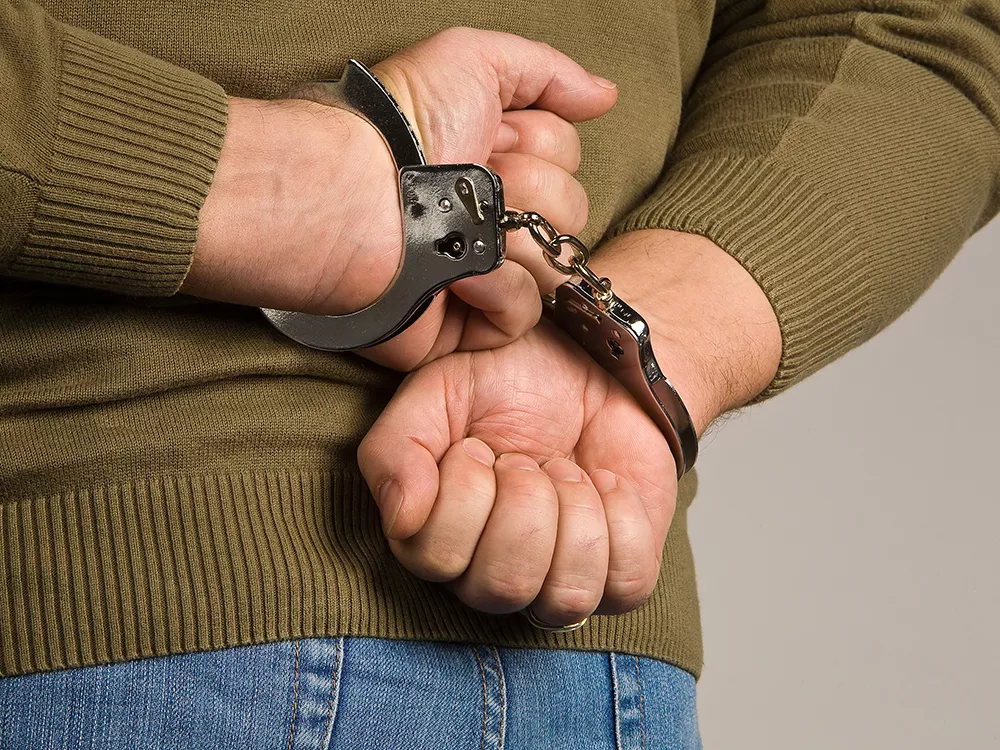
In 1992, Larry Davis had a good job and money trickling into savings for retirement. By early the next year, police were blaming him for a kidnapping, burglary and rape he didn’t commit, and he would soon find himself locked behind bars for 16 and a half years. Today, Davis has been released and exonerated, but he hasn’t rebuilt the life he had before his arrest.
“I need financial help, I need counseling, I need medical and dental. I can’t get a job because of this,” Davis told the Washington House Judiciary Committee earlier this month. “I lost a lot of my life, and there’s nothing that can repay that, but you can help out for my future.”
For the third time in as many years, the Innocence Project Northwest is wrangling support for a bill that would compensate the wrongfully convicted in Washington. As DNA evidence has advanced, 27 other states and Washington, D.C., have passed laws establishing payouts for the wrongfully imprisoned. The National Innocence Project estimates that about one-third of exonerated people have still never been compensated.
As it stands, Washington state’s wrongfully convicted can only find financial recourse by suing the state, and only if their conviction came from intentional wrongdoing, not from a mistake, says Lara Zarowsky, the Innocence Project Northwest’s policy director.
“We know that [wrongful conviction] often happens as a result of a mistake,” she says. “That person still experiences the same harm. They lost years of their life for something they didn’t do.”
The proposed Washington bill would pay those who prove they were wrongfully convicted $50,000 per year they spent in prison ($100,000 if they were on death row), including time awaiting trial, and $25,000 per year on parole, in community custody or registered as a sex offender, plus missed child support and legal fees up to $75,000.
Most opposition to compensation is about money, Zarowsky says, so she emphasizes one number: $3.5 million — the average state payout when a wrongful conviction case goes to trial. By comparison, the national average payment under a compensation statute is $300,000. While there’s no way to estimate exactly how many cases Washington would see each year, the project knows of five people who could apply if the law passed today.
This session, Zarowsky says more lawmakers are supportive. The bill was sent to the House Appropriations Committee this month with help from four Republicans, including Spokane Valley Rep. Matt Shea. But Kennewick police officer and Republican Rep. Brad Klippert still has his reservations. Klippert says he has enough faith in the justice system to wonder if a wrongfully convicted person can really be completely innocent. He says he’s nervous about how much the state will end up paying in compensation for people who did enough to be thought guilty by police, prosecutors, judges and juries. He suggests a cap of $300,000.
Proponents argue that such an amount doesn’t give enough weight to the time someone unfairly spent behind bars. When someone is incarcerated the way Davis was, for more than 15 years, “we’re not just talking about somebody not getting a paycheck,” says Rep. Tina Orwall, who’s sponsoring the bill and says she won’t support Klippert’s proposed cap. “We’re talking about somebody who didn’t get to establish their life.”